Take advantage of a complimentary assessment to uncover valuable tax-saving opportunities.

Professional Tax Filing in Torrance with Virtual Service Across America
What You'll Learn
Inside the Guide
MAXIMIZING YOUR
DEDUCTIONS
Maximizing tax deductions helps real estate investors and business owners reduce tax liabilities and keep more of their profits. Common deductions include business expenses like office supplies, marketing, travel, equipment depreciation, home office costs, vehicle expenses, employee salaries, and retirement contributions.
To increase tax savings, business owners can bundle expenses, time payments strategically before the end of the tax year, and take advantage of available tax credits and strategies like cost segregation for real estate.
Keeping proper documentation is essential. Saving receipts, using a separate business account, maintaining mileage logs, and recording asset purchases helps ensure accurate records and supports your deductions if needed.

OVERLOOKED TAX
DEDUCTIONS
Many real estate investors and business owners overlook valuable tax deductions that could significantly reduce their tax liabilities. Identifying these deductions can help increase profits and improve overall financial efficiency.
Lesser-known deductions may include research and development credits, home office expenses, business mileage, education or conference costs, business gifts, disability insurance premiums, and retirement contributions.
To claim these deductions successfully, it is important to stay updated on tax laws, keep accurate records of expenses, and ensure all deductions are directly related to your business activities.

THE HOME OFFICE
DEDUCTION
A home office can offer valuable benefits for real estate investors and business owners. It helps reduce overhead costs by eliminating the need for rented office space, while also improving productivity by creating a dedicated workspace. It also provides flexibility, allowing you to work on your own schedule without commuting.
One of the biggest advantages is the home office tax deduction, which allows you to deduct a portion of home expenses such as rent or mortgage interest, utilities, insurance, and property taxes. To calculate the deduction, determine the percentage of your home used exclusively for business and apply that percentage to your total home expenses.
To qualify, the workspace must be used only for business activities, and accurate documentation should be maintained.
Keep accurate records and claim only legitimate expenses to safely maximize your home office deduction.

CAR DEDUCTIONS
Many business owners and investors miss car-related tax deductions that can lower expenses and increase profits. Common deductions include mileage, actual car expenses, and Section 179 for vehicle purchases.
Maximize deductions by:
Keeping a mileage log and saving receipts
Using a separate card for car expenses
Choosing the best method: standard mileage or actual costs
Separating personal and business use
Accurate tracking and proper planning help you claim deductions confidently and reduce tax liabilities.

WRITING OFF EVERYDAY EXPENSES
Maximizing tax deductions starts with identifying and documenting everyday business expenses. Use a separate bank account or credit card for business transactions and keep receipts, invoices, and records showing the date, amount, purpose, and recipient of each expense.
Common deductible expenses include home office costs, vehicle and travel expenses, education and training, and business meals. To get the most out of deductions, track expenses accurately, distinguish between capital and operating expenses, and time purchases strategically before year-end.
Staying organized and consulting a tax professional ensures you claim all eligible deductions, minimize tax liabilities, and maximize your profits.
About the Author

Angelica Roxas is a highly experienced Financial and Tax Strategist with over 20 years of expertise. She is the Founder and President of multiple organizations and is known for her insightful writing, including a well-ranked Forbes.com article.
Her leadership has earned recognition from the Wall Street Journal, and she actively engages with Congress on important financial topics. Angelica specializes in serving Real Estate Investors, Business Owners, Pre-retirees, and those seeking to safeguard their retirement savings.
20+ Years Experience
Forbes Contributor
WSJ Recognized
Google Reviews
I really appreciate the work that they did for me, especially at the last minute, because my previous tax preparer was unable to help me.

Angelica and her team helped me with financial and taxes. Looking forward for long term business relationship. I highly recommend her.

Any financial and tax concerns i have i ask Angelica Roxas with a timely reply. I am very happy and satisfied. Highly recommended.

Angelica has helped me so very much to have a very good retirement. Her plans and information are extremely helpful and well covered. She is continually able to help for all that is needed. I have even referred other people to her service. She us great and excellent!

I had known Angelica since 2018 and I was quickly relieved that she shows genuine interest in achieving the best for my financial goals that will affect my future retirement she is highly professional, understanding, very relatable and takes time to explain everything and assured me that we are taking the right steps to secure my financial future . So up to now she remains my financial advisor, my tax strategist , and I am so happy that she is always there for financial advice. Thanks

Start Saving on Taxes Today
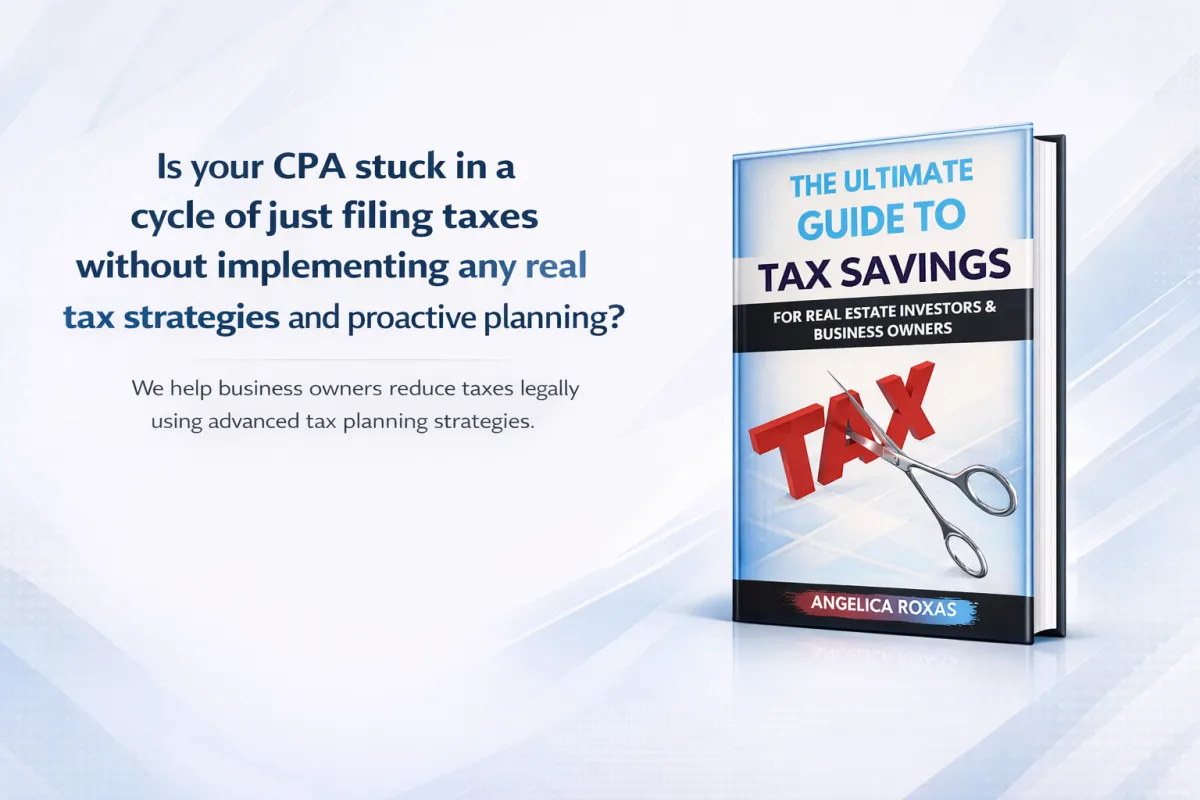
Get your ebook of the ultimate tax savings guide and discover how to legally reduce your tax liabilities and keep more of your money.

Copyright 2026. Strategic Asset Preservation. All Rights Reserved.